
Despite the best intentions, most engagement strategies still miss the mark in hybrid workplaces. A 2024 Gallup report revealed that 77% of employees are disengaged or actively checked out. Yet many internal surveys paint a rosier picture.
Why the disconnect?
One problem is that traditional surveys are lagging indicators. They measure sentiment after disengagement has already taken root.
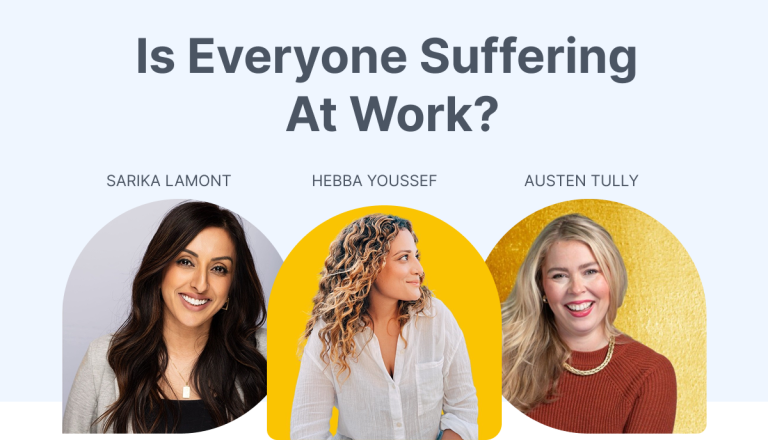
In our recent CultureBot webinar, three people leaders—Sarika Lamont from Vidyard, Hebba Youssef from Workweek & i hate it here, and Morgan Stanley (In) from Lithic called out the problem: leaders are treating hybrid engagement as a vibe issue… when it’s actually a systems issue.
What actually drives hybrid engagement
In this webinar, these People Ops and Culture thought leaders dig into what actually drives hybrid engagement. And here’s a spoiler: it’s not virtual happy hours!
Clarity of expectations
Disengagement often begins with ambiguity. When people don’t know what “good” looks like or how their work ties to the bigger picture, they check out. This aligns with the data analysis stating that clarity of expectations is the single strongest predictor of engagement.
Manager enablement > manager intuition
Managers often recognize disengagement but lack the vocabulary or tools to act on it. Without proper training, they miss signs—or worse, ignore them. Research from McKinsey confirms that manager capabilities are the linchpin in hybrid work success.
Respect + Recognition ≠ Pizza Parties
The panel emphasized that high performers disengage fastest when praised for the bare minimum or micromanaged. “Don’t celebrate mediocrity,” said Sarika. Instead, tie recognition to values and contributions that go beyond the job description.
Equity in experience
Hybrid equity isn’t about duplicating events online—it’s about designing for inclusion from the start. When key conversations happen in rooms remote employees can’t access, you create an “engagement tax” for those not physically present.
Psychological safety starts at the top
Sarika shared a story of publicly owning her own “bad day” as a leader. Her vulnerability didn’t break trust, it built it, creating space for others while doing it, “The best teams don’t expect perfection. They expect accountability.” This echoes Amy Edmondson’s foundational research on psychological safety as a core enabler of team performance.
The Bottom Line – Culture Is Leadership Job, Not Just HR Job
Engagement is not HR’s job alone. It’s a leadership imperative. People want direction, trust, and respect, not another survey that goes nowhere.
So if your last pulse survey looked “fine,” ask yourself:
Was it early detection… or false reassurance?